Data Reference Architecture Enabling Enterprise Data Strategy
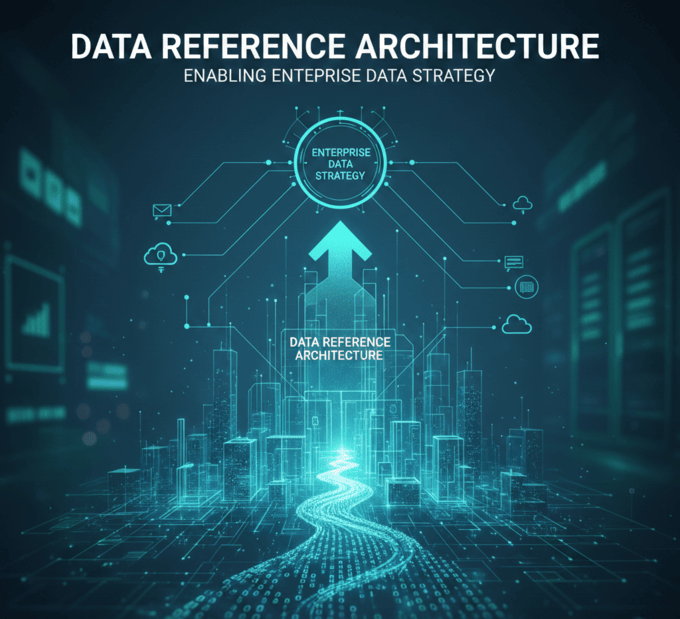
Data Reference Architecture

Introduction
Modern enterprises generate and process massive volumes of data every second. From customer interactions and transactional systems to IoT devices and cloud applications, information flows continuously across complex ecosystems. Without a structured framework, this data can become fragmented, inconsistent, and difficult to govern. This is where data reference architecture becomes essential.
A well-defined data reference architecture provides a standardized blueprint that guides how data is collected, stored, integrated, managed, and consumed across an organization. It ensures alignment between business objectives and technology implementation while promoting scalability, security, and performance. As digital transformation accelerates, companies increasingly rely on data reference architecture to create a unified and reliable data foundation.
Enterprises that implement data reference architecture gain improved visibility, enhanced governance, and better decision-making capabilities. Rather than building isolated systems, organizations can create an integrated environment where information flows seamlessly across departments and platforms.
Understanding the Strategic Value of Data Reference Architecture
At its core, data reference architecture acts as a conceptual model that defines standards, guidelines, and best practices for managing enterprise data. It outlines how different data components interact, from ingestion and storage to analytics and visualization.
By adopting data reference architecture, businesses can reduce redundancy, eliminate silos, and establish consistent data definitions. This consistency ensures that stakeholders across marketing, finance, operations, and IT work from the same trusted datasets.
An effective data reference architecture also supports regulatory compliance and data governance initiatives. As data privacy regulations evolve globally, organizations need structured frameworks to maintain transparency and accountability. Implementing data reference architecture helps enforce access controls, lineage tracking, and quality monitoring across the enterprise landscape.
Scalability is another critical factor. A flexible data reference architecture allows organizations to adapt quickly to new technologies, whether integrating cloud services, big data platforms, or artificial intelligence solutions. Instead of rebuilding infrastructure from scratch, enterprises can extend their existing frameworks seamlessly.
Core Components of a Modern Data Reference Architecture
A comprehensive data reference architecture typically includes several interconnected layers. The data ingestion layer captures information from diverse sources such as transactional systems, APIs, IoT sensors, and third-party platforms. This layer ensures that incoming data is standardized before entering storage systems.
The storage layer forms the backbone of data reference architecture. It may include data lakes, warehouses, and hybrid storage environments that support structured and unstructured datasets. A well-designed storage strategy ensures cost efficiency while maintaining high performance.
Data processing and transformation capabilities are equally vital. Within a robust data reference architecture, transformation engines cleanse, enrich, and aggregate raw data into meaningful formats. These processes improve data accuracy and prepare information for analytics applications.
The governance and security layer reinforces the reliability of data reference architecture. It defines data ownership, access policies, encryption standards, and auditing mechanisms. This structured approach safeguards sensitive information and maintains compliance with industry regulations.
Finally, analytics and consumption layers enable business users to extract insights. Dashboards, reporting tools, and AI models operate on top of the data reference architecture, empowering decision-makers with real-time intelligence.
Enterprise Transformation Powered by Data Reference Architecture
Digital transformation initiatives often fail when data remains scattered across disconnected systems. Implementing data reference architecture ensures that data flows consistently across departments and applications. This unified approach enhances collaboration and accelerates innovation.
Organizations leveraging data reference architecture can integrate cloud computing seamlessly into their existing ecosystems. Hybrid and multi-cloud environments become manageable when guided by standardized frameworks. This flexibility allows businesses to optimize costs and improve performance without compromising governance.
Advanced analytics also thrives within a structured data reference architecture. Machine learning models depend on clean, well-organized data to generate accurate predictions. By establishing consistent metadata standards and quality checks, data reference architecture enhances the reliability of predictive analytics.
Operational efficiency improves significantly when data reference architecture is in place. Automated workflows reduce manual data handling, while centralized repositories eliminate duplication. As a result, teams can focus more on innovation rather than troubleshooting data inconsistencies.
Innovation and Future Trends in Data Reference Architecture
The evolution of artificial intelligence and automation is reshaping how organizations approach data reference architecture. Intelligent data catalogs now classify assets automatically, improving discoverability and governance. This automation enhances productivity and ensures data remains accessible to authorized users.
Real-time data streaming is another emerging trend influencing data reference architecture. Businesses increasingly demand instant insights to respond to market changes. By incorporating streaming technologies into data reference architecture, enterprises can process and analyze information as it arrives.
Data fabric and data mesh paradigms are also redefining enterprise frameworks. These approaches decentralize data ownership while maintaining centralized governance principles. Modern data reference architecture adapts to these models, enabling domain-driven data management without losing structural integrity.
Sustainability considerations are gaining attention as well. Efficient storage strategies and optimized processing reduce energy consumption within large-scale environments. A forward-looking data reference architecture aligns technological growth with environmental responsibility.
Business Benefits of Implementing Data Reference Architecture
Organizations that embrace data reference architecture experience measurable improvements in performance and agility. Decision-makers gain access to reliable, real-time data that drives strategic planning. This improved visibility enhances competitiveness in data-driven markets.
Cost efficiency becomes achievable through optimized storage and streamlined processes. By eliminating redundant systems and consolidating resources, data reference architecture reduces operational overhead. Enterprises can reallocate savings toward innovation and growth initiatives.
Risk mitigation is another major advantage. A structured data reference architecture enforces governance controls and ensures compliance with evolving regulations. Clear data lineage tracking minimizes errors and strengthens audit readiness.
Customer experience also improves when organizations rely on consistent, high-quality data. Personalized services, targeted marketing campaigns, and predictive support systems all depend on well-structured information frameworks supported by data reference architecture.
Conclusion
In an era defined by exponential data growth, organizations cannot afford fragmented or inconsistent systems. A strategic data reference architecture provides the foundation for scalable, secure, and high-performing data ecosystems.
By aligning technology infrastructure with business objectives, data reference architecture fosters collaboration, innovation, and informed decision-making. It supports cloud adoption, advanced analytics, governance initiatives, and long-term digital transformation strategies.
As enterprises continue to navigate evolving technological landscapes, the role of data reference architecture will become increasingly central. Businesses that invest in structured frameworks today position themselves for sustained success, operational resilience, and competitive advantage in the digital economy.