Unlocking Technology Modernization for Business Growth in 2026
Technology Modernization

Introduction
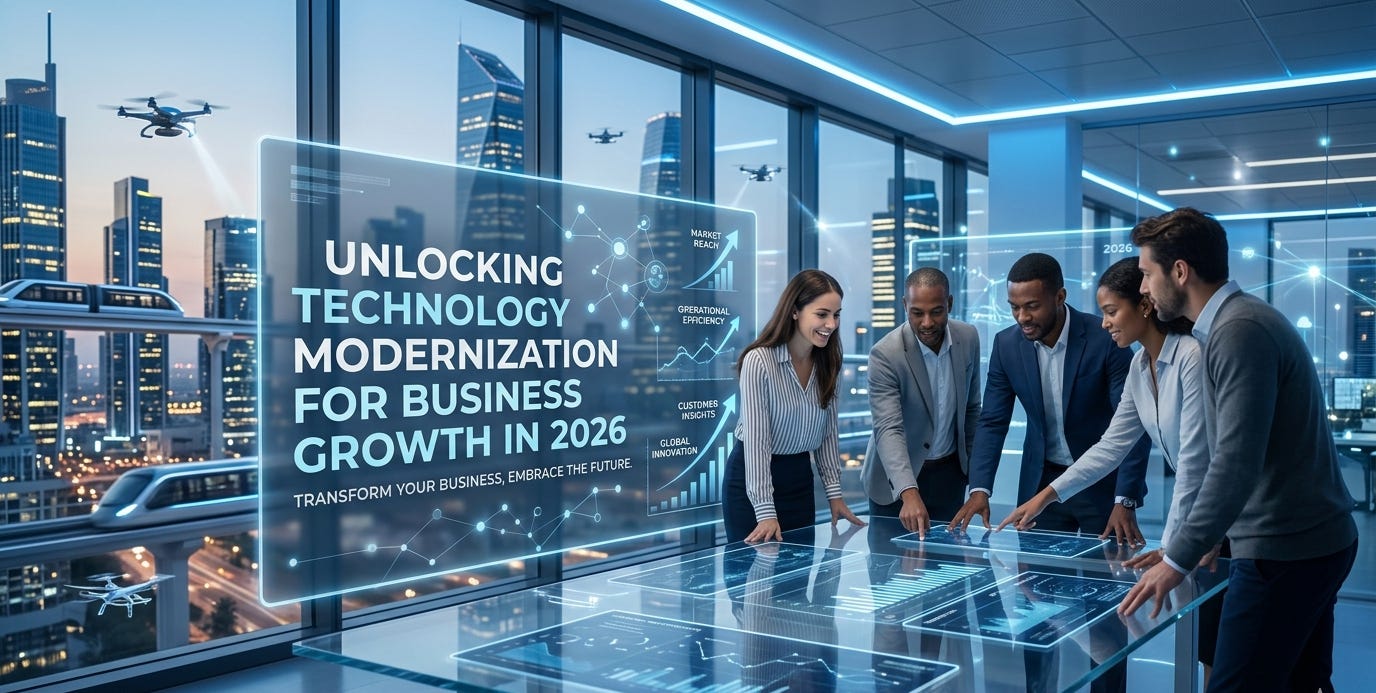
In today’s fast-paced digital landscape, technology modernization isn’t just a buzzword—it’s the lifeline keeping businesses competitive. Companies that embrace technology modernization shed outdated systems, streamline operations, and unlock new revenue streams. Think about legacy software slowing down your team or cloud silos creating data headaches; technology modernization fixes these pain points by integrating cutting-edge tools like AI, automation, and scalable cloud infrastructure. This shift isn’t optional anymore. As we hit 2026, firms ignoring technology modernization risk falling behind agile startups. Drawing from real-world transformations I’ve witnessed, this piece dives into why technology modernization matters, how to approach it, and the tangible wins it delivers.
Why Technology Modernization Drives Real Change
Picture a mid-sized retailer drowning in manual inventory tracking. After prioritizing technology modernization, they adopted IoT sensors and predictive analytics, slashing stockouts by 40%. That’s the power of updating core tech stacks. Technology modernization goes beyond shiny gadgets; it reimagines processes from the ground up. Outdated servers guzzle energy and crash during peak times, but migrating to modern hyperscale clouds cuts costs and boosts uptime. I’ve seen manufacturers pivot from rigid ERP systems to flexible SaaS platforms, enabling real-time supply chain visibility. The result? Faster decision-making and happier customers. Without technology modernization, businesses stagnate, but those who act gain a decisive edge in volatile markets.
Navigating the Technology Modernization Journey Step by Step
Embarking on technology modernization starts with a honest audit of your current setup. Map out what’s working and what isn’t—legacy codebases often hide vulnerabilities waiting to explode. Next, prioritize high-impact areas like data management or customer-facing apps. For instance, a financial services client I advised began technology modernization by containerizing their apps with Kubernetes, which sped up deployments from weeks to hours. Don’t overlook employee buy-in; train teams on new tools to avoid resistance. Security weaves through every phase—modern firewalls and zero-trust models protect against rising cyber threats. Scale gradually: pilot technology modernization in one department before enterprise-wide rollout. This measured approach minimizes disruptions while maximizing ROI.
Emerging Trends Shaping Technology Modernization
Technology modernization evolves with breakthroughs like edge computing and generative AI. Edge tech processes data closer to the source, ideal for industries like logistics where milliseconds matter. Pair it with AI-driven automation, and suddenly routine tasks vanish, freeing humans for creative work. Quantum computing looms on the horizon, promising to crack complex simulations that stump classical systems. Sustainability pushes technology modernization too—green data centers and efficient algorithms reduce carbon footprints. In healthcare, technology modernization through telemedicine platforms has exploded post-pandemic, connecting remote patients seamlessly. Forward-thinking leaders blend these trends, creating resilient ecosystems that adapt to whatever comes next.
Overcoming Common Technology Modernization Hurdles
Resistance is real when pursuing technology modernization. Budget constraints top the list—many fears massive upfront costs. Yet, phased investments often pay off quickly through efficiency gains. Skill gaps pose another challenge; upskilling via online platforms bridges this affordably. Integration woes arise when merging old and new systems, but APIs and middleware smooth the path. A logistics firm I consulted faced this during technology modernization, resolving it with a hybrid cloud strategy that preserved legacy data while adding modern analytics. Regulatory compliance adds complexity, especially in finance or healthcare, but modular technology modernization frameworks ensure adherence without halting progress. Patience and expert partners turn these obstacles into opportunities.
Measuring Success in Your Technology Modernization Efforts
True technology modernization shines in metrics like reduced downtime or faster time-to-market. Track KPIs such as system latency dropping 60% post-upgrade or customer satisfaction scores climbing. Cost savings emerge too—cloud-native technology modernization can trim IT spend by 30%. Employee productivity metrics reveal cultural shifts, with tools like collaborative platforms fostering innovation. Long-term, monitor agility: can your stack handle sudden demand spikes? One e-commerce brand’s technology modernization initiative doubled Black Friday sales without a hitch. Regularly review these indicators to refine your strategy, ensuring technology modernization delivers sustained value.
The Future Awaits: Embrace Technology Modernization Now
Technology modernization isn’t a one-time project; it’s an ongoing commitment to excellence. Businesses that invest today position themselves for tomorrow’s disruptions. From AI orchestration to sustainable infrastructure, the tools are here. Start small, iterate boldly, and watch your operations transform. In a world where digital natives set the pace, technology modernization separates leaders from laggards.